
Are Traditional B2B Matchmaking Methods Dead? Do African Businesses Still Need In-Person Connections?
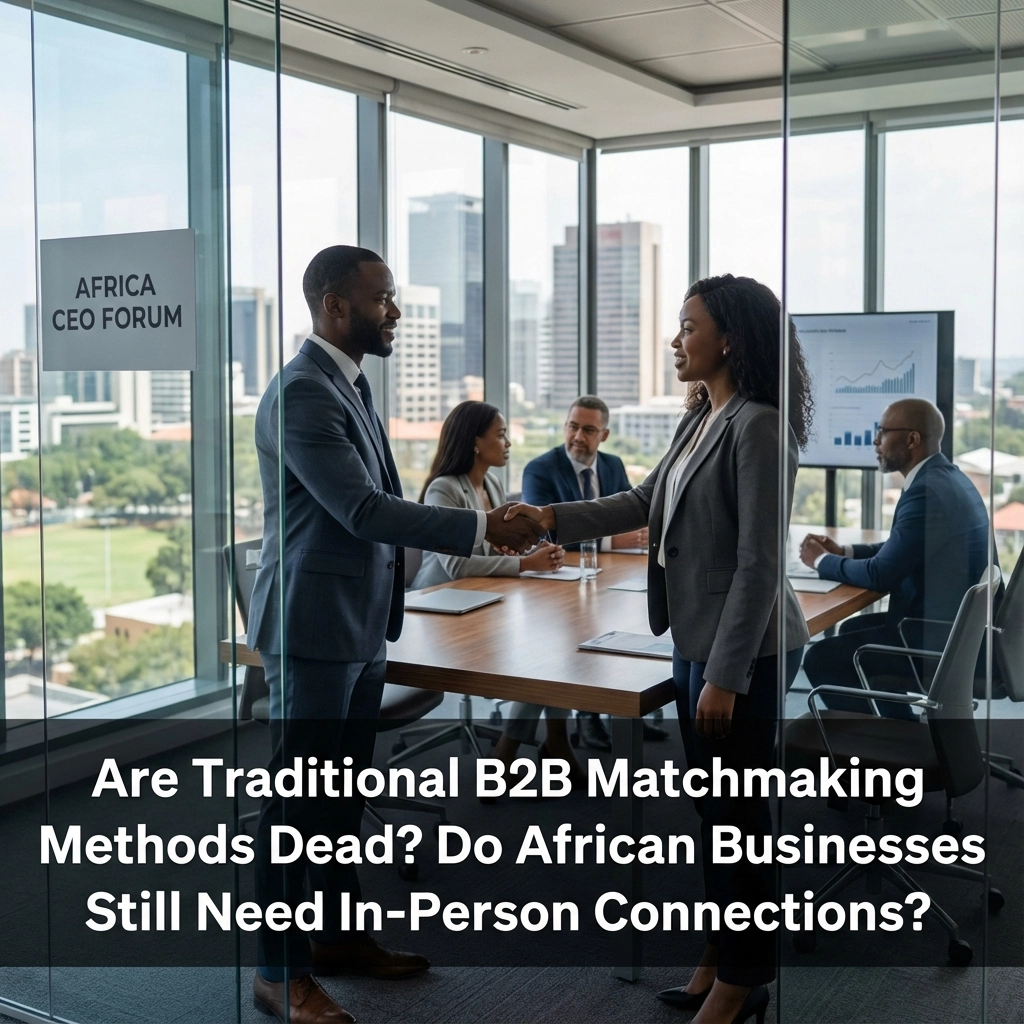
The business world is split into two camps: digital evangelists claiming traditional B2B matchmaking is extinct, and relationship purists insisting nothing beats a handshake. Here's the reality, both camps are partially wrong, and if you're targeting African markets in 2026, understanding this nuance could be the difference between closing deals and losing opportunities.
Traditional B2B matchmaking isn't dead, it's evolving into something more powerful.
The Digital Revolution That Wasn't Complete
Yes, AI-powered platforms can now analyze behavioral patterns, predict deal probability, and match businesses with 72% higher accuracy than random networking events. LinkedIn has become the new trade floor, and virtual trade missions saved millions in travel costs during the pandemic years.
But here's what the tech enthusiasts missed: African business culture operates on fundamentally different principles than Silicon Valley's "move fast and break things" mentality.

In Lagos, Accra, or Nairobi, business isn't just about exchanging contracts: it's about exchanging trust. When a Ghanaian cocoa exporter considers partnering with a Canadian food manufacturer, they're not just evaluating profit margins. They're asking: "Can I trust this person with my family's livelihood?" That question doesn't get answered through LinkedIn InMail.
Why the Intra-African Trade Fair Still Breaks Records
The recent Intra-African Trade Fair generated $48.3 billion in trade commitments: not through Zoom calls or digital platforms, but through three days of intensive face-to-face networking in Cairo. These weren't small-scale deals either. We're talking about multi-million-dollar infrastructure projects, agricultural supply chains spanning multiple countries, and technology partnerships that will shape the continent for decades.
The numbers don't lie: while digital matchmaking can identify potential partners, major African deals still close in person.
The Trust Factor: Why Cultural Competency Trumps Algorithms
African business culture values relationship-building over transaction efficiency. This isn't a limitation: it's a competitive advantage. When business partners know each other personally, they're more likely to weather economic downturns, navigate regulatory changes together, and expand partnerships organically.
Consider this scenario: A Canadian mining equipment company wants to enter the South African market. A digital platform might match them with three potential distributors based on size, location, and industry focus. But it takes an in-person trade mission to discover that one distributor has family connections in the regulatory ministry, another has exclusive relationships with the largest mining operations, and the third actually specializes in equipment that competes directly with the Canadian company's products.
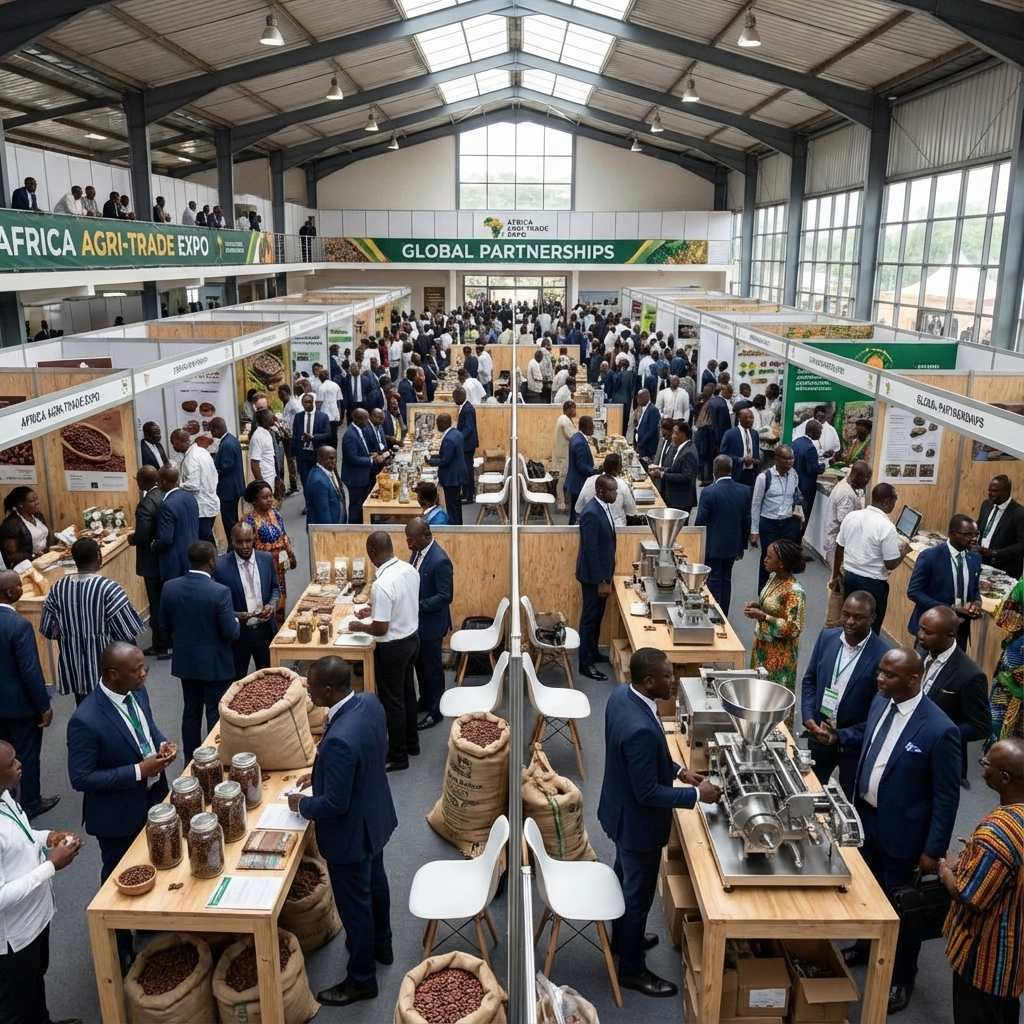
That intelligence doesn't show up in digital profiles: it emerges through conversations over dinner, casual observations during facility tours, and the trust-building that happens when business leaders meet face-to-face.
Enter the Hybrid Model: The 2026 Game-Changer
Smart businesses aren't choosing between digital and traditional: they're combining both approaches strategically.
The 2026 hybrid model works like this:
Phase 1: Digital Vetting and Intelligence
- AI-powered platforms identify potential partners based on commercial compatibility
- Digital market research provides regulatory, cultural, and economic context
- Virtual preliminary meetings eliminate obvious mismatches
- Data analytics predict partnership viability and risk factors
Phase 2: Strategic In-Person Engagement
- Curated trade missions bring pre-vetted businesses together
- Cultural competency workshops prepare teams for productive relationship-building
- Structured networking maximizes relationship-building efficiency
- On-ground market visits provide crucial context that no database can capture
This hybrid approach reduces travel costs by 60% while increasing deal closure rates by 45% compared to purely digital or purely traditional methods.
Why Pure Digital Fails in African Markets
Bandwidth and infrastructure realities still matter. While major African cities have excellent connectivity, many emerging markets where the biggest opportunities exist still face intermittent internet challenges. More importantly, video calls can't replicate the cultural nuances that drive African business relationships.
A handshake in Kigali carries different weight than a digital signature. Breaking bread together in Accra builds trust in ways that virtual coffee chats simply cannot match. When Nigerian entrepreneurs evaluate potential partners, they're looking for character indicators that only emerge through extended personal interaction.
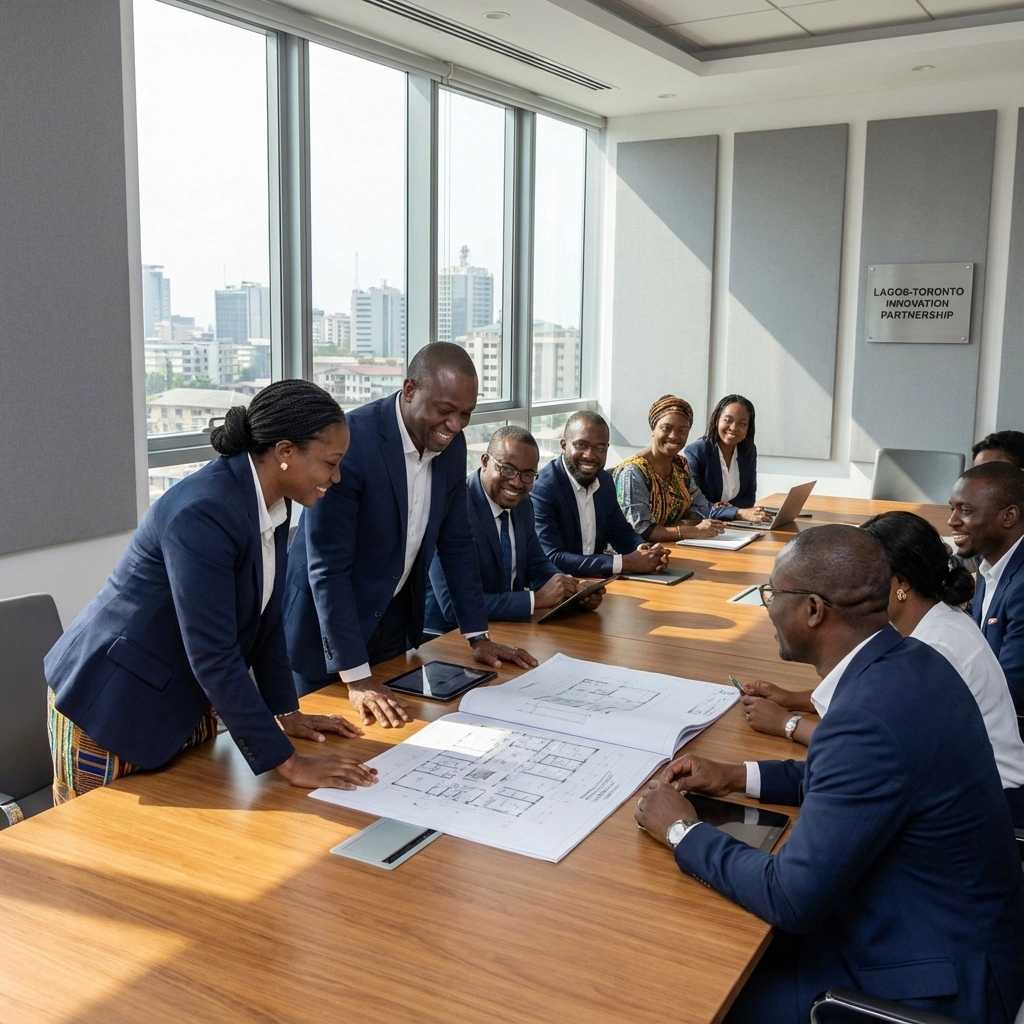
Plus, there's the language barrier reality. While English, French, and Portuguese serve as business languages across Africa, local dialects and cultural expressions often contain crucial business context. These nuances get lost in digital translation but become obvious during in-person conversations.
The World Trade Commission Advantage: 24+ Years of Hybrid Mastery
This is where cultural competency meets strategic intelligence. World Trade Commission doesn't choose between digital efficiency and relationship authenticity: we've spent over two decades perfecting the integration of both approaches.
Our B2B matchmaking service leverages real-time market data and AI-powered partner identification, but our team's deep cultural understanding ensures those digital matches translate into sustainable business relationships. We know that a preliminary Zoom call with a Kenyan agricultural cooperative should focus on different topics than a video conference with a South African technology startup.
Our hybrid approach delivers results:
- Pre-mission digital vetting increases qualified partnership meetings by 73%
- Cultural competency training reduces relationship-building time from months to weeks
- Strategic market intelligence prevents costly cultural missteps
- Post-mission digital follow-up maintains momentum and drives deal closure
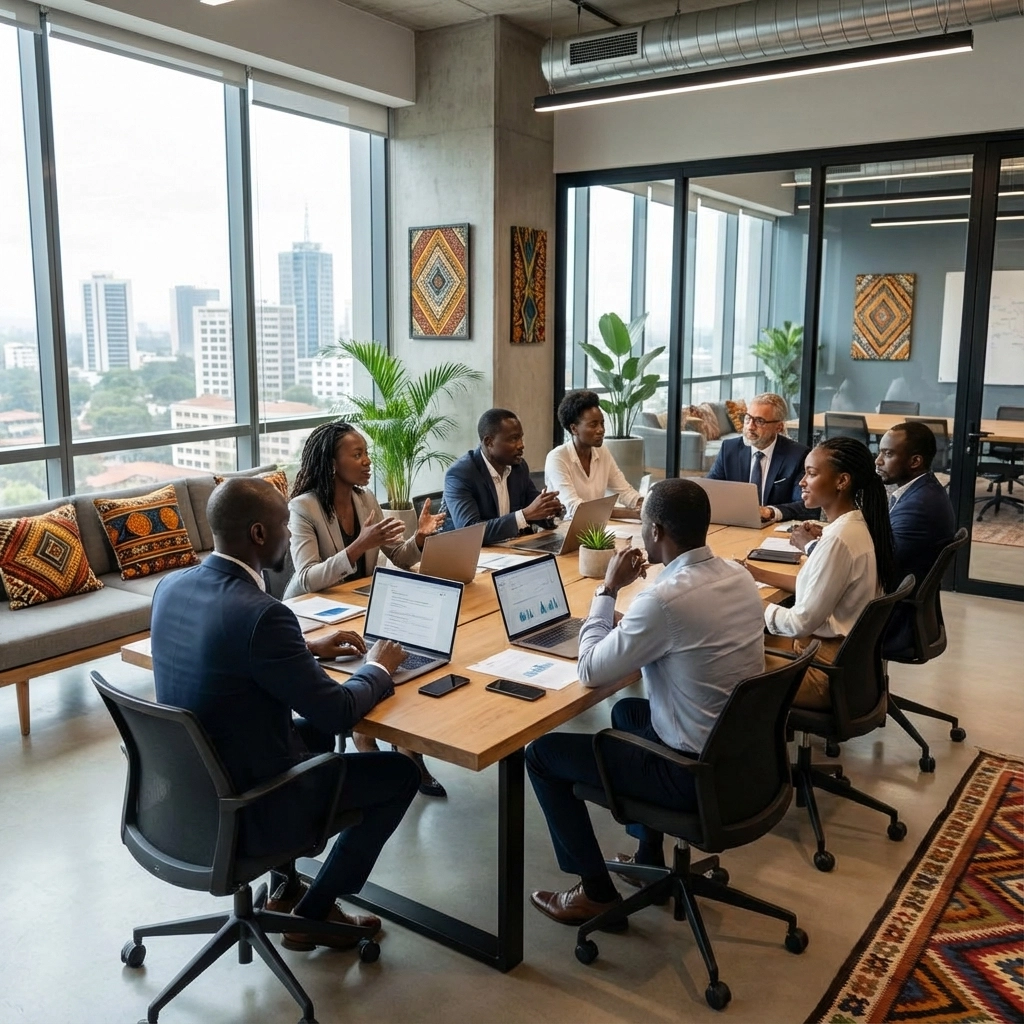
We've facilitated partnerships across 54 African countries and understand that effective B2B matchmaking in Africa requires both technological sophistication and cultural authenticity.
The 2026 Opportunity: AfCFTA and Digital Infrastructure Convergence
The African Continental Free Trade Area (AfCFTA) is creating unprecedented opportunities for cross-border business partnerships just as digital infrastructure reaches critical mass across the continent. This convergence makes hybrid B2B matchmaking more powerful than ever.
Businesses that master this hybrid approach now will dominate African market entry over the next decade. Those that cling to purely digital or purely traditional methods will find themselves outmaneuvered by competitors who understand that African business success requires both technological efficiency and relationship authenticity.
CEO’s Corner

I just completed two trade missions across West and South Africa. Here’s the bottom line: in-person interaction is essential to complete the deal.
Digital tools qualify and align. Being on the ground creates conviction. What changes when we meet in person?
- Terms crystallize after factory and site walkthroughs.
- Regulatory clarity emerges in joint meetings with local authorities.
- Scope expands during candid, off-agenda conversations.
I watched cautious “maybes” turn into signed agreements because people could read intent, assess capacity, and build trust in real time. Use digital to narrow the field. Show up to close.
—Our Director, World Trade Commission
The Bottom Line: Evolution, Not Extinction
Traditional B2B matchmaking isn't dead: it's evolving into something more strategic and effective. African businesses absolutely still need in-person connections, but they also benefit from digital intelligence and efficiency.
The companies winning in African markets understand that relationship-building and data-driven intelligence are complementary, not competing strategies.
Ready to leverage the hybrid advantage for your African market expansion? World Trade Commission's 2026 trade missions combine cutting-edge market intelligence with deep cultural competency and strategic relationship-building. Our B2B matchmaking service doesn't just connect businesses: it builds the foundation for lasting, profitable partnerships.
Contact us today to discover how our hybrid approach can accelerate your African market entry and turn digital connections into real-world results.
Comments are closed